Elliptical vs. Treadmill: What the Actual Joint Impact Difference Looks Like
Quick Answer: An elliptical is meaningfully lower-impact than a treadmill because your feet never leave the pedals — there’s no repeated ground-strike force through the knees, hips, and ankles the way there is with walking or running, making it the better choice for anyone managing joint pain, while a treadmill still offers more direct carryover to running-specific fitness goals.
Both get filed under ‘cardio machine,’ but the actual force going through your joints on each one is a genuinely different story.
Why is an elliptical actually lower-impact, mechanically?
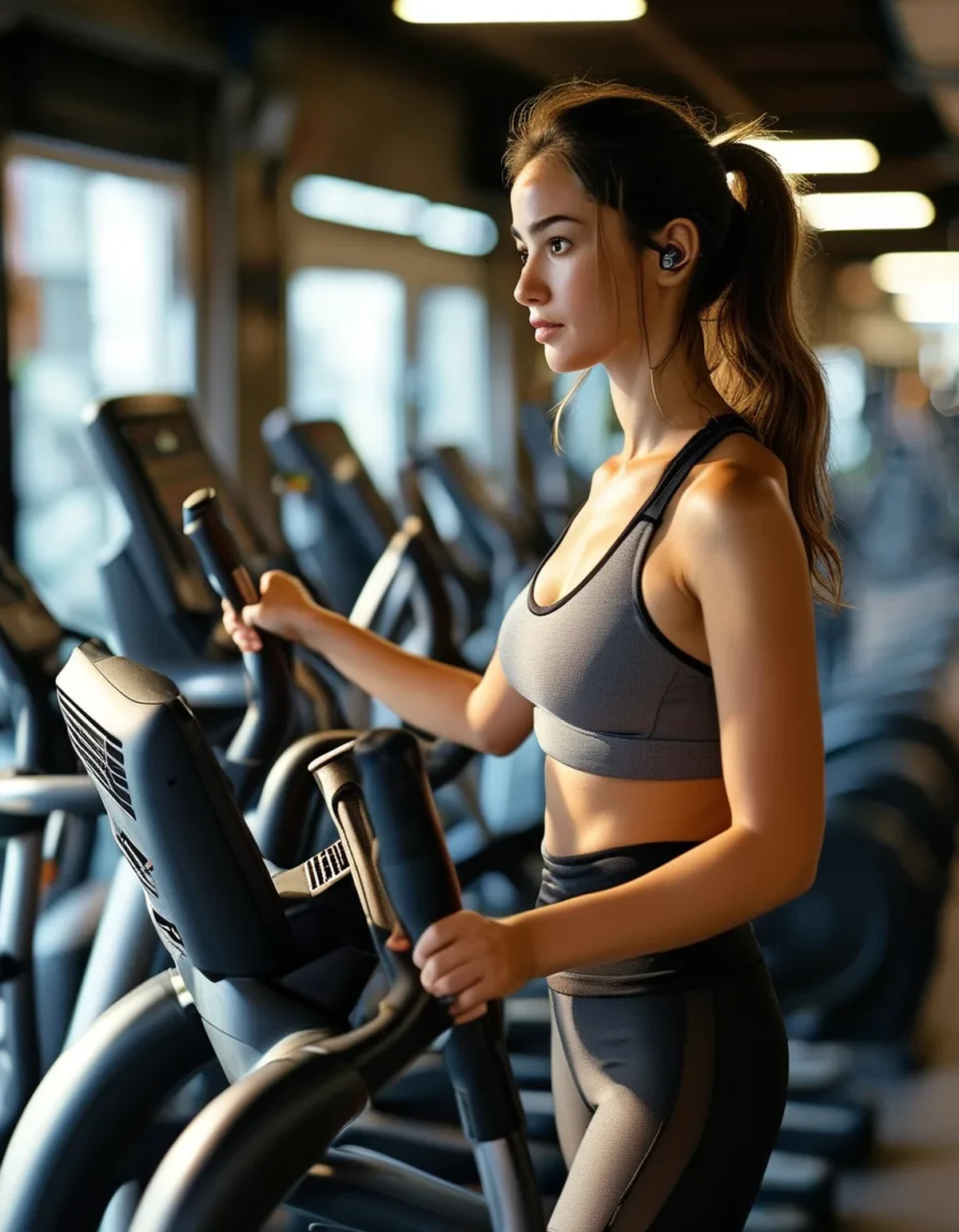
The elliptical’s pedals stay in continuous contact with the machine throughout the entire motion, so there’s no moment of your body weight landing through a joint the way there is with every single footstrike while walking or running — this eliminates the ground reaction force that’s the primary driver of impact-related joint stress in weight-bearing cardio.
Does a treadmill’s impact level vary based on speed or incline?
Yes, notably — walking on a treadmill produces meaningfully less impact force than running does, and an incline walk (higher exertion, still walking-pattern footstrike) can offer a middle ground between a flat walk and a run in terms of both cardio benefit and impact level, worth considering if avoiding full running impact matters.
Who should generally prioritize an elliptical over a treadmill?
Anyone managing existing knee, hip, or ankle joint issues, recovering from certain injuries with a doctor or PT’s clearance for low-impact cardio, or simply looking to reduce cumulative joint stress from frequent training tends to benefit more from an elliptical’s impact profile than from treadmill running.

Does the lower impact on an elliptical mean a lower cardiovascular workout, too?
Not necessarily — elliptical machines with adjustable resistance and incline can produce a genuinely challenging cardiovascular workout comparable to treadmill running in terms of heart rate and calorie burn, the impact reduction doesn’t have to come at the cost of workout intensity.
What Nobody Tells You About Elliptical vs. Treadmill Training
Treadmill running has a specific advantage that low-impact alternatives can’t fully replace — direct carryover to running-specific fitness and running economy, which matters if training for an actual running event. An elliptical is a genuinely excellent lower-impact cardio tool, but it’s not a perfect substitute for run-specific training adaptations, a distinction that often gets glossed over in ‘which is better’ comparisons.
FAQ: Elliptical vs. Treadmill Questions, Answered
Can alternating between elliptical and treadmill sessions offer the best of both?
Yes — many trainers recommend exactly this approach, using the elliptical on higher-frequency or recovery-adjacent days and reserving treadmill running for dedicated run-training sessions, balancing impact management with running-specific fitness.
Does an elliptical work the same muscles as a treadmill?
Both engage the major lower-body muscle groups, but an elliptical with moving handlebars also engages the upper body and core more actively than a standard treadmill walk or run does.
Is it true that elliptical machines feel harder for beginners to master?
Some people find the elliptical’s unfamiliar motion pattern takes a session or two to feel natural, compared to walking or running’s more intuitive treadmill motion, but this typically resolves quickly with use.
TL;DR:
- An elliptical eliminates ground-strike impact entirely, while a treadmill’s impact scales with speed and incline
- Anyone managing joint issues generally benefits more from an elliptical’s lower-impact profile
- Lower impact on an elliptical doesn’t mean a lower-intensity cardiovascular workout when resistance and incline are used
- A treadmill still offers direct carryover to running-specific fitness that an elliptical can’t fully replace
If joint comfort is the main concern, start with the elliptical; if training for a running event specifically, treadmill time still has a unique role to play.
Keep Reading
This article is for general informational and styling purposes only. Fit, sizing, and product availability may vary.