What to Check Before Buying an Elliptical for a Small Home
Quick Answer: The three specifications that decide whether a home elliptical is usable are stride length, flywheel weight, and total height with a person on it, in that order. Footprint matters less than people think because you also need clearance around it. Measure your ceiling height, add the machine’s step-up height plus your own height, and if that number is close to your ceiling, the machine is wrong for the room regardless of how well it fits the floor.
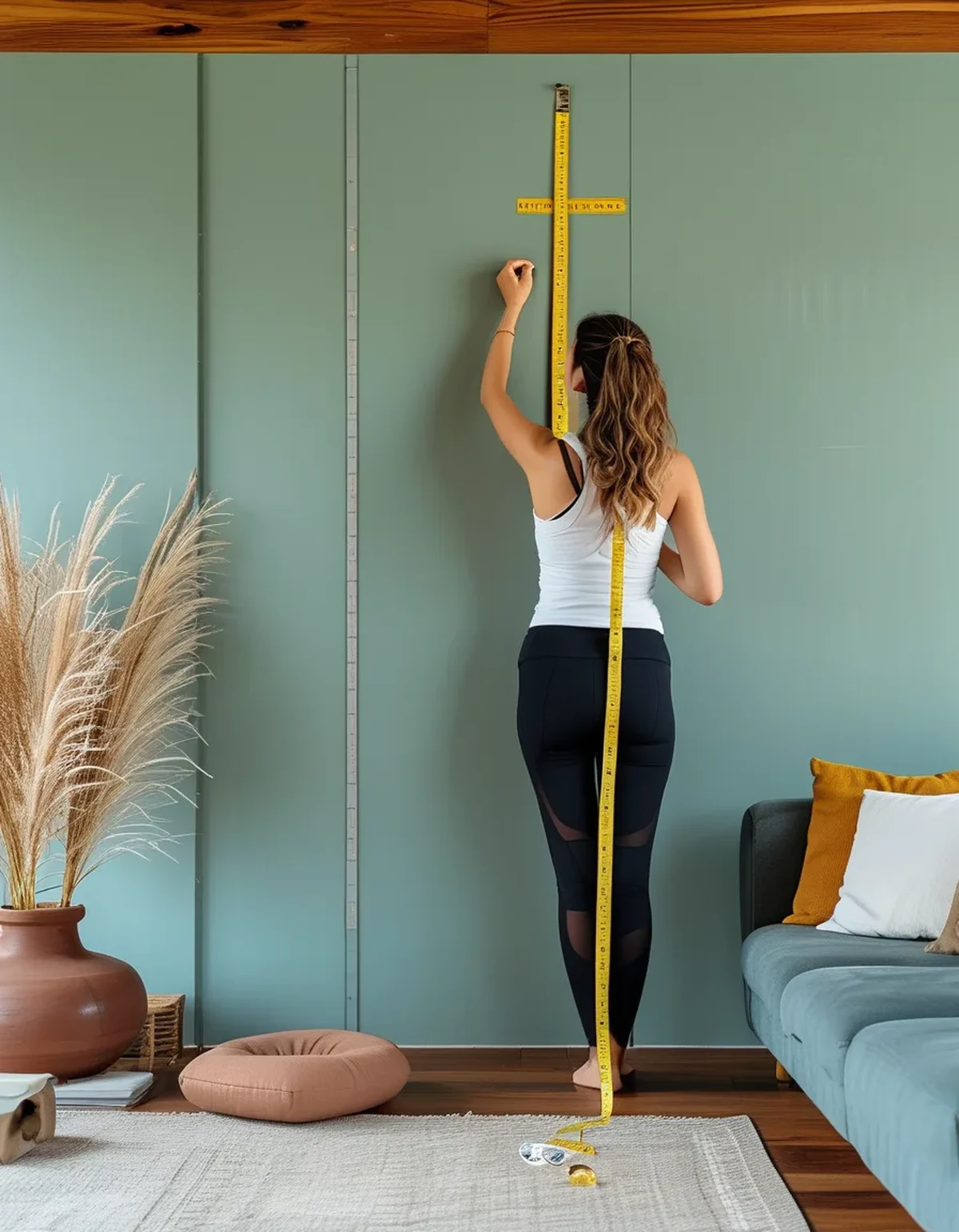
The ceiling calculation is the one nobody does and the one that produces the most returns.
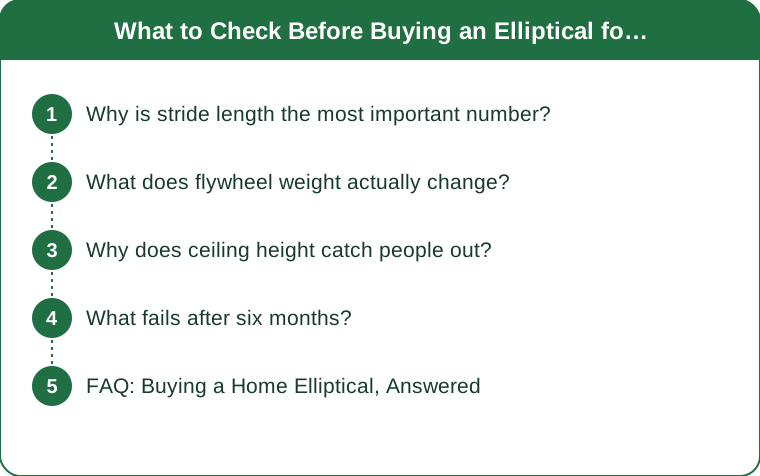
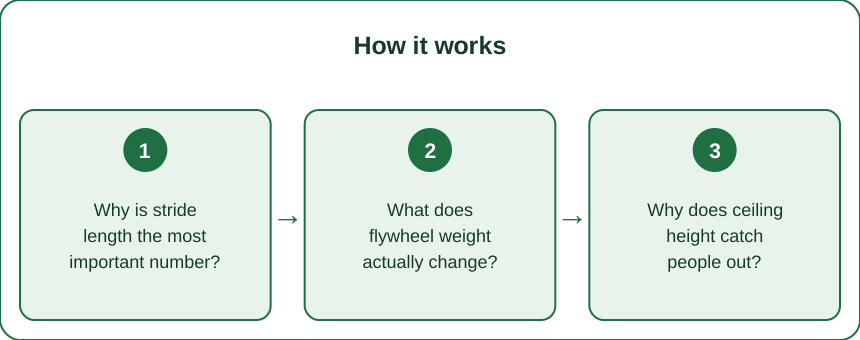
Why is stride length the most important number?
Because it determines whether the movement feels natural or like shuffling. Stride length is the distance the pedals travel front to back, and a machine with a short stride forces a choppy, small movement that engages less muscle and feels wrong within about five minutes.
As a rough guide, taller users need longer strides. Around 18 inches suits shorter users, 20 inches is a common middle, and taller users generally want 20 to 22. Budget machines frequently come in at 14 to 16 inches, which is where the compromise is hidden.
Some machines offer adjustable stride, which is genuinely useful in a shared household where two people of different heights use it. It adds cost and complexity and it is worth it if the height difference is significant.
The consequence of getting this wrong is not just comfort. A stride that is too short changes which muscles do the work, tends to load the quads and the hip flexors more, and is a common cause of the hip flexor tightness people blame on the machine in general.
If you can only check one specification before buying, check this one.
What does flywheel weight actually change?
Smoothness. The flywheel stores rotational energy and carries the motion through the parts of the stroke where you are producing less force, which is what makes the movement feel continuous rather than pulsed.
A light flywheel produces a noticeably jerky feel, particularly at higher resistance, and it is the single biggest difference between a machine that feels cheap and one that does not. It also tends to be noisier, because a light wheel is more affected by every irregularity.
Heavier is generally better here, within reason, and it is a specification budget machines quietly omit from the listing. If a manufacturer does not publish the flywheel weight, that is usually because it is light.
The trade-off is that a heavier flywheel means a heavier machine, which matters if it needs to be moved or if you live above the ground floor. Weight is also, incidentally, a decent proxy for build quality overall. A machine that feels light in the shop will move under you at higher effort.
And stability affects noise, which for a flat is often the actual constraint. A machine that rocks transmits every stroke into the floor and into the ceiling below.
Why does ceiling height catch people out?
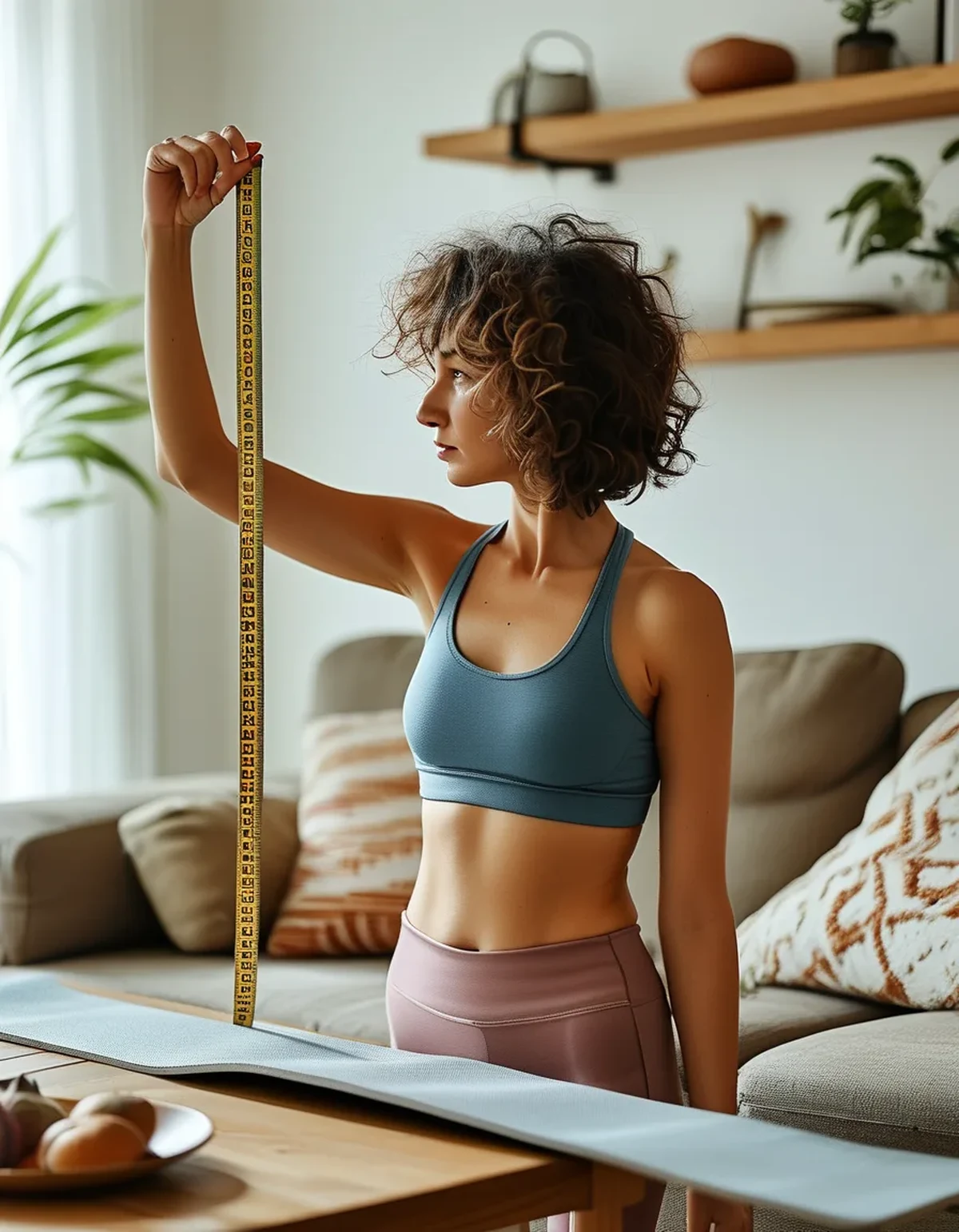
Because an elliptical raises you off the floor. The pedals sit at a step-up height of anywhere from around 15 to 20 centimetres on a low-profile machine, up to 35 centimetres or more on others, and then you stand on them and your head goes higher still at the top of each stroke.
The calculation is your height, plus the step-up height, plus a few centimetres of vertical movement through the stroke, plus a margin. Compare that to your ceiling. In a flat with standard ceilings and a tall user, plenty of machines simply do not fit, and this is not something you discover from the product page.
Light fittings make it worse, and so do sloped ceilings in loft conversions, which is where the problem is most common.
While you are measuring, check clearance too. Manufacturers usually specify a minimum free space around the machine, typically most importantly behind it, and the real footprint is the machine plus that clearance rather than the machine alone.
Also measure the route in. An elliptical arrives in boxes and is assembled in place, which helps, but the assembled machine is often too wide to move through a standard doorway afterwards. Assemble it in the room it will live in.
What fails after six months?
Console and connectivity first. Screens and app integrations are where manufacturers differentiate on the marketing and economise on the parts. A machine whose workouts depend entirely on a proprietary app is a machine whose useful life is tied to that company continuing to support it.
Bearings and the drive belt second. These are the wear parts, and on a cheap machine they announce themselves as a squeak or a knock somewhere around month four. Check whether replacement parts are available and what the warranty covers on parts versus labour, because a two-year frame warranty with ninety days on parts is a common and misleading combination.
Pedal articulation third. Fixed pedals cause foot numbness in a lot of users, which is the most common complaint about ellipticals generally. Articulating pedals reduce it substantially and are worth looking for.
And the fourth failure is not mechanical. It is the machine becoming a clothes rail. That happens for predictable reasons: it is in the wrong room, it is boring, or the setup requires effort. Put it somewhere you already spend time, with a screen you can see, and the odds improve dramatically.
Used machines from a household that discovered this are, incidentally, why the secondhand market for home cardio equipment is so good and so cheap.
FAQ: Buying a Home Elliptical, Answered
Is a folding elliptical worth it?
Usually not. The folding mechanism adds a joint where you want rigidity, and most folding models are light, which brings the flywheel and stability problems above. If space genuinely requires folding, expect to accept a less pleasant ride.
Front drive or rear drive?
Rear drive machines tend to have a flatter, more natural stride path and are often quieter; front drive machines usually have a steeper motion and a smaller footprint. Neither is universally better, and stride length and flywheel weight matter more than either.
Do I need incline?
It is genuinely useful because it changes muscle emphasis and adds a second variable beyond resistance, which helps with the boredom problem. It is a nice-to-have rather than essential.
Should I buy secondhand?
For this category, often yes. These machines are frequently barely used, they are difficult for sellers to move, and prices reflect that. Check the bearings by pedalling it fast with no resistance and listening, and confirm the console powers on before you go.
TL;DR:
- Stride length first: too short is the most common and least reversible mistake, and it changes which muscles work.
- Flywheel weight determines smoothness and noise, and an unpublished weight usually means a light one.
- Do the ceiling maths: your height plus step-up height plus stroke movement, with margin.
- Check parts availability, warranty terms on parts versus frame, and whether the workouts depend on an app.
- Articulating pedals reduce the foot numbness that is the most common complaint.
Measure the ceiling before the floor, and buy secondhand from someone who did neither.
Keep Reading
This article is for general informational and styling purposes only. Fit, sizing, and product availability may vary.