The Elliptical Grip Mistake That's Cancelling Out Your Own Cardio Effort
Quick Answer: Gripping the elliptical handlebars tightly and pulling hard with your arms offloads a meaningful share of the work from your legs and core to your upper body, which can make the workout feel harder while actually reducing lower-body intensity — a lighter grip, using the handles mainly for balance, keeps more of the effort where a lower-body cardio workout is supposed to be.
If your legs never feel truly fatigued after an elliptical session, grip and arm involvement is one of the first things worth checking.

Why does a tight grip actually reduce lower-body workout intensity?
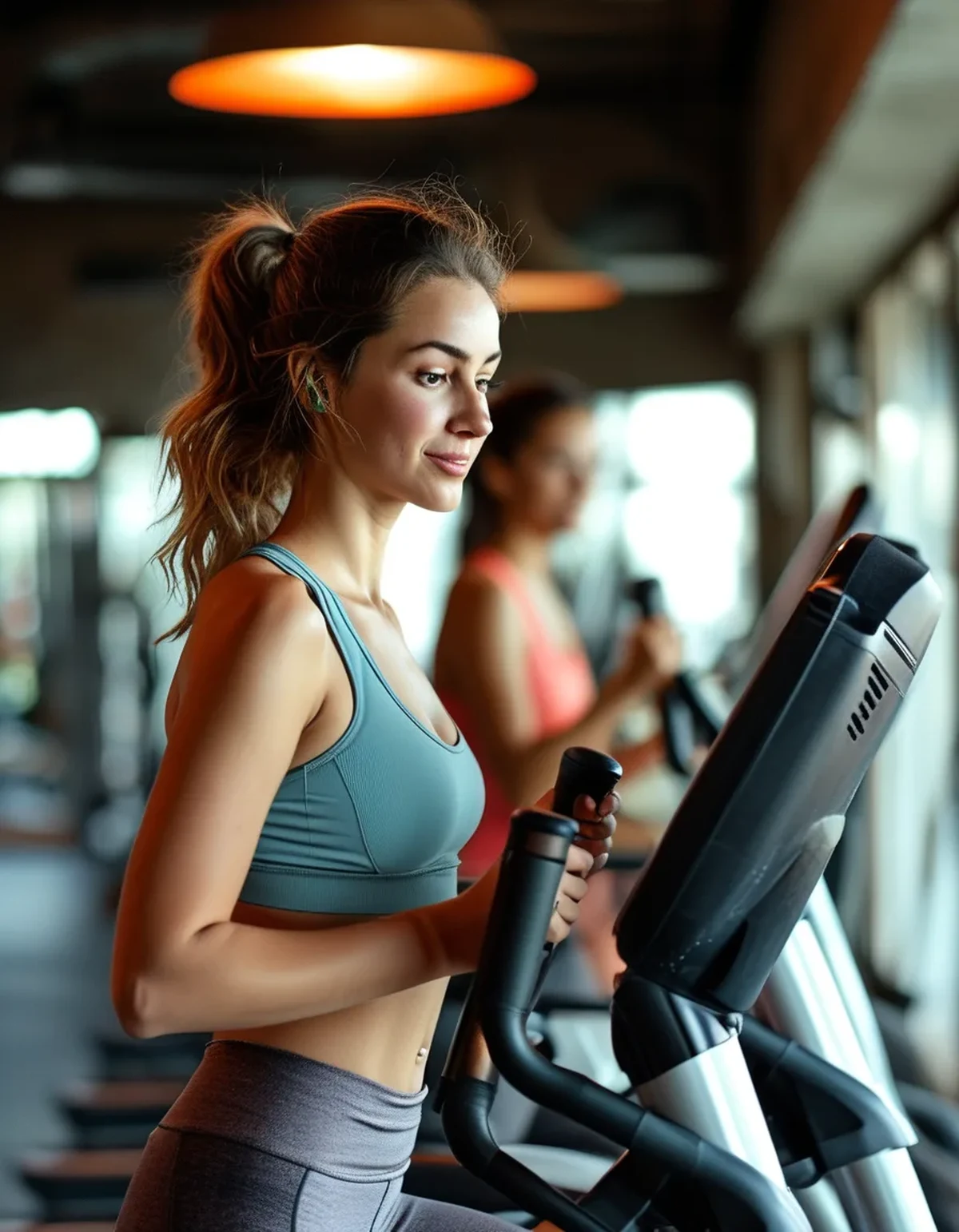
When you pull hard on the moving handlebars, your arms and shoulders take on part of the propulsion work that your legs would otherwise have to generate on their own, effectively assisting your stride. This can make the session feel more effortful (since your upper body is working) while your legs are doing genuinely less work than the resistance and incline settings suggest.
This is one of the most common reasons people plateau on the elliptical despite feeling tired afterward — the fatigue is partly upper-body, not the targeted lower-body cardio effort.
How should you actually be using the handlebars instead?
Use a light, relaxed grip primarily for balance, letting your legs generate the actual propulsion through the pedals rather than pulling yourself along with your arms. If the machine has stationary side rails, using those instead of the moving handlebars removes the arm-assist option entirely, which is a simple way to force full lower-body engagement.
5 Mistakes Everyone Makes on the Elliptical
1. Gripping and pulling the moving handlebars hard, offloading work to the upper body. 2. Leaning heavily on the console, reducing core engagement. 3. Using a stride length that’s mismatched to height, causing inefficient, choppy movement. 4. Keeping resistance too low to compensate for arm-assisted pace. 5. Ignoring posture and hunching forward instead of standing tall through the movement.
Does removing arm assistance actually change the calorie burn?
Yes, meaningfully — studies on elliptical use consistently show that relying on legs alone (versus arm-assisted pushing/pulling) increases heart rate and calorie burn for the same perceived effort level, since the leg muscles are larger and the true cardiovascular demand goes up when arms aren’t sharing the load. This is one of the more well-documented form corrections for getting more out of the same elliptical session length.
FAQ: Elliptical Grip and Form Questions, Answered
Should you use the moving handlebars at all, or avoid them completely?
Occasional, light use for balance is fine — the issue is specifically pulling hard with them, not touching them at all; stationary side rails are a good alternative if available.
Does this apply to interval or HIIT-style elliptical workouts too?
Yes, arguably more so — during high-intensity intervals, the temptation to pull with the arms to sustain pace is strongest, which is exactly when offloading to the upper body most undercuts the intended lower-body intensity.
How do you know if you’ve been relying too much on your arms?
If your arms and shoulders feel more fatigued than your legs after a session, or if switching to a light grip immediately makes the workout noticeably harder on your legs, that’s a clear sign arm-assist was doing more work than intended.
TL;DR:
- Pulling hard on the handlebars offloads propulsion work to your upper body
- A light grip for balance keeps the workout properly focused on your legs
- Stationary side rails remove the arm-assist temptation entirely
- Leg-only propulsion measurably increases heart rate and calorie burn for the same effort
A lighter grip is a free form correction that makes the same elliptical session work harder for your legs.
Keep Reading
This article is for general informational and styling purposes only. Fit, sizing, and product availability may vary.